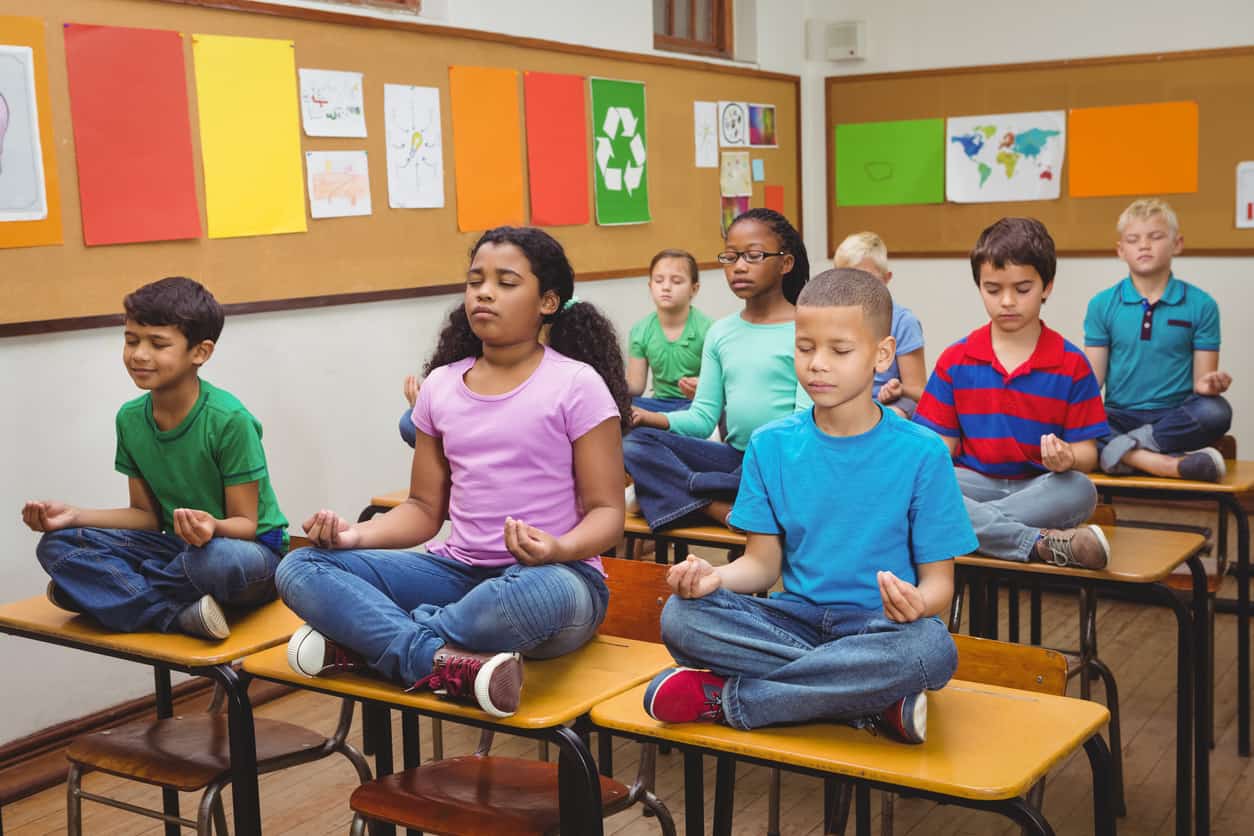
Headspace Harmony: Achieving Peace through Mindfulness

headspace mindfulness In our fast-paced modern world, finding inner peace can often seem like an elusive dream. However, through the practice of headspace mindfulness, individuals can unlock the door to serenity and achieve a harmonious state of mind. This journey towards mental tranquility is not only attainable but also deeply rewarding, offering a plethora of benefits for both the mind and body.
Understanding Headspace Mindfulness
Headspace mindfulness is a practice that involves cultivating awareness and presence in the moment. It encourages individuals to observe their thoughts, emotions, and sensations without judgment, fostering a deeper connection with oneself. This practice, rooted in ancient meditation traditions, has been adapted to fit contemporary lifestyles, making it accessible and practical for everyone.
The Science Behind Mindfulness
Scientific research has extensively documented the positive impacts of mindfulness on mental and physical health. Engaging in headspace mindfulness can lead to numerous benefits, including:
- Stress Reduction: Mindfulness helps lower cortisol levels, the hormone responsible for stress, promoting relaxation and calm.
- Enhanced Focus: By training the mind to stay present, mindfulness improves concentration and cognitive performance.
- Emotional Regulation: Mindfulness fosters greater emotional intelligence, enabling individuals to manage their emotions more effectively.
- Improved Sleep: Mindfulness practices can enhance sleep quality by calming the mind and reducing insomnia.
- Overall Well-being: Regular mindfulness practice contributes to mental and physical health, promoting a sense of peace and contentment.
Effective Mindfulness Practices
1. Body Scan Meditation
Body scan meditation is a fundamental headspace mindfulness exercise that helps cultivate a deeper awareness of the body. This practice involves mentally scanning the body from head to toe, observing any sensations, tension, or discomfort without judgment. Here’s how to practice body scan meditation:
- Find a comfortable position, either sitting or lying down.
- Close your eyes and take a few deep breaths, allowing your body to relax.
- Begin by focusing on the top of your head, gradually moving your attention down to your forehead, eyes, nose, and so on.
- Spend a few moments on each body part, noticing any sensations, tightness, or areas of relaxation.
- If your mind wanders, gently bring your focus back to the body part you were observing.
- Continue this process until you reach your toes.
This exercise can be practiced for 10-30 minutes, depending on your preference and available time.
2. Mindful Breathing
Mindful breathing is one of the simplest yet most powerful headspace mindfulness practices. It involves focusing on the breath, observing each inhalation and exhalation with full attention. Here’s how to practice mindful breathing:
- Sit comfortably with your back straight and your hands resting on your lap.
- Close your eyes and take a few deep breaths to center yourself.
- Breathe naturally and observe the sensation of the breath as it enters and leaves your nostrils.
- If your mind starts to wander, gently bring your attention back to your breath.
- Continue this practice for 5-10 minutes, gradually increasing the duration as you become more comfortable.
Mindful breathing can be practiced anywhere and anytime, making it an ideal exercise for those with busy schedules.
3. Loving-Kindness Meditation
Loving-kindness meditation, also known as Metta meditation, is a beautiful headspace mindfulness practice that cultivates compassion and empathy. This exercise involves directing positive thoughts and well-wishes towards oneself and others. Here’s how to practice loving-kindness meditation:
- Sit comfortably and close your eyes.
- Take a few deep breaths to relax your mind and body.
- Begin by silently repeating phrases such as “May I be happy, may I be healthy, may I be safe, may I live with ease.”
- After a few minutes, expand your focus to include a loved one, repeating the phrases while visualizing them.
- Gradually extend your well-wishes to others, including friends, acquaintances, and even those with whom you have difficulties.
- Conclude by encompassing all beings, wishing happiness, health, safety, and ease to everyone.
This exercise can be deeply transformative, fostering a sense of interconnectedness and compassion.
4. Mindful Walking
Mindful walking is a dynamic headspace mindfulness practice that combines movement with meditation. This exercise involves walking slowly and deliberately, paying attention to the physical sensations of each step. Here’s how to practice mindful walking:
- Find a quiet place where you can walk without distractions.
- Stand still for a moment, taking a few deep breaths to center yourself.
- Begin walking slowly, paying attention to the sensation of your feet touching the ground.
- Notice the movement of your legs, the shifting of your weight, and the rhythm of your steps.
- If your mind wanders, gently bring your focus back to the act of walking.
- Continue walking mindfully for 10-20 minutes.
Mindful walking can be a refreshing break during a busy day, helping to clear the mind and invigorate the body.
5. Guided Meditation
Guided meditation is a popular headspace mindfulness practice where an instructor leads you through the meditation. This can be done through audio recordings, apps, or live sessions. Here’s how to practice guided meditation:
- Find a comfortable and quiet place to sit or lie down.
- Choose a guided meditation that suits your needs, whether it’s for relaxation, focus, or emotional healing.
- Close your eyes and follow the instructor’s voice, allowing yourself to be guided through the meditation.
- Focus on the instructions, visualizations, or affirmations provided.
- At the end of the session, take a few moments to sit quietly and reflect on the experience.
Guided meditations can be particularly helpful for beginners, providing structure and support as you develop your mindfulness practice.
Tips for a Successful Mindfulness Practice
Consistency is Key
Like any skill, mindfulness requires consistent practice to yield significant benefits. Set aside a specific time each day for your headspace mindfulness exercises. Whether it’s in the morning, during a lunch break, or before bed, regular practice will help reinforce the habit and deepen your mindfulness.
Create a Peaceful Environment
A conducive environment can greatly enhance your mindfulness practice. Find a quiet and comfortable space where you won’t be disturbed. Consider adding elements that promote relaxation, such as candles, soft lighting, or calming music.
Start Small
If you’re new to mindfulness, start with short sessions and gradually increase the duration as you become more comfortable. Even a few minutes of practice each day can make a significant difference over time.
Be Patient
Mindfulness is a journey, not a destination. It’s normal for the mind to wander or for challenges to arise during practice. Approach each session with patience and compassion, recognizing that each moment of mindfulness is a step towards greater well-being.
Explore Different Practices
There are numerous headspace mindfulness exercises to choose from, each offering unique benefits. Explore different practices to find what resonates with you. Whether it’s body scan, mindful breathing, or loving-kindness meditation, variety can keep your practice engaging and effective.
Integrating Mindfulness into Daily Life
Mindfulness doesn’t have to be confined to formal practice sessions. Here are some ways to integrate headspace mindfulness into your daily life:
Mindful Eating
Mindful eating involves paying full attention to the experience of eating, savoring each bite, and recognizing the flavors, textures, and aromas of your food. This practice can enhance your appreciation of food, promote healthier eating habits, and improve digestion.
Mindful Listening
Engage in mindful listening by fully focusing on the person you are communicating with, without interrupting or planning your response. This practice fosters deeper connections and improves interpersonal relationships.
Mindful Chores
Turn mundane tasks like washing dishes or folding laundry into mindfulness practices by paying full attention to the activity. Notice the sensations, movements, and sounds involved, transforming these tasks into opportunities for meditation.
Mindful Commuting
Use your commute as a time for mindfulness by observing your surroundings, noticing the sights, sounds, and sensations without judgment. This practice can make your commute more enjoyable and less stressful.
headspace mindfulness
Incorporating headspace mindfulness into your life can lead to profound transformations. By cultivating mindfulness, you can develop a deeper understanding of yourself, improve your mental and physical health, and create a more balanced and fulfilling life. The journey of mindfulness is a continuous one, offering endless opportunities for growth and discovery. Embrace the practice with an open heart and mind, and experience the myriad benefits it has to offer.